Robots and Humanity: BALYO on the Real Future of Warehouse Work
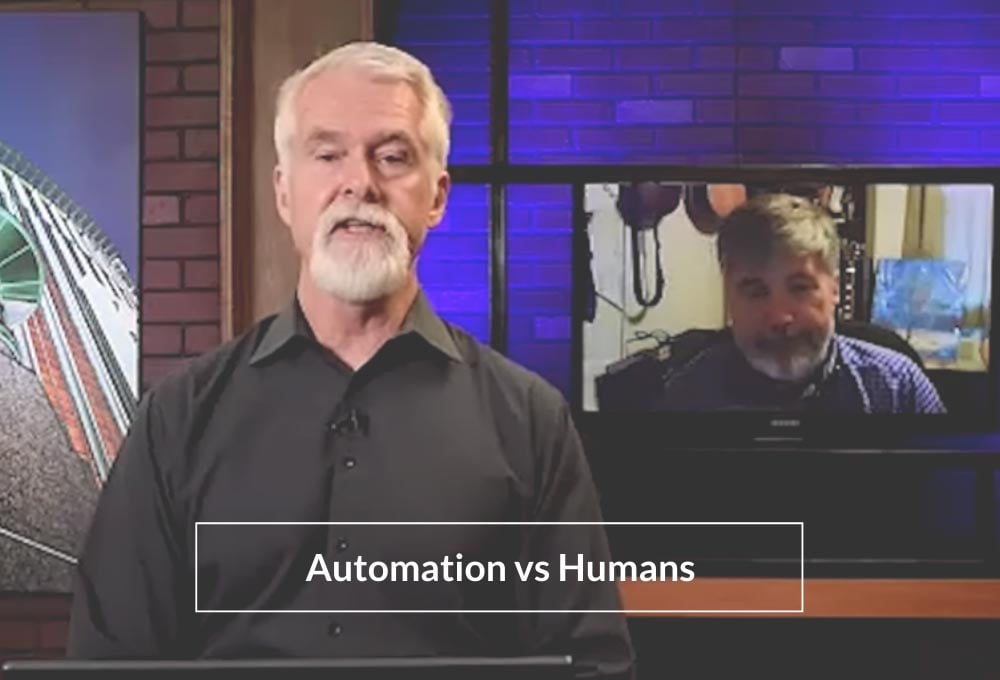
In a recent sit-down with Quality Digest, John Hayes, Director of Sales at BALYO, tackled one of the most pressing conversations of the modern industrial era. From the intricate navigation algorithms powering today’s AGVs to the profound social shifts reshaping the factory floor, Hayes laid out a clear-eyed vision of where the industry is heading.
The discussion centers on two questions that keep both executives and floor workers up at night: Why are autonomous robots becoming an absolute necessity right now, and do human workers need to fear for their jobs?
Why Autonomous Robots Are Dominating Modern Logistics
The rapid adoption of autonomous guided vehicles (AGVs) and autonomous mobile robots (AMRs) isn't just a trend—it is a survival mechanism. Modern warehouses are facing a perfect storm of operational pressures that manual labor alone can no longer resolve.
- The Relentless Labor Shortage: Finding and retaining qualified forklift operators has become a persistent, costly struggle. Robots provide a baseline of predictable, 24/7 productivity that insulates warehouses from hiring crises.
- The Cost of Non-Value-Added Movement: Moving a pallet across a massive facility adds zero value to the final product. Automating long-distance, repetitive transport allows companies to stop wasting human potential on low-value tasks.
- Maximizing Vertical Footprints: With industrial real estate at a premium, facilities must stack higher and narrower. Safe, high-reach autonomous trucks navigate tight spaces with a level of precision that humans simply cannot replicate at extreme heights.
The Burning Question: Should Warehouse Operators Be Worried?
The short answer is no. The fear of robots completely replacing humans on the warehouse floor is a persistent myth that overlooks the reality of industrial operations.
"Robots are designed to handle the predictable, repetitive, and hazardous. Humans are designed to master the unpredictable, the creative, and the strategic."
Instead of stealing jobs, automation is actively upgrading them. Hayes explains that the future of logistics relies on cobotics—the seamless partnership between human intelligence and robotic precision.
By offloading the most physically grueling, dangerous, and monotonous tasks to AGVs, the workplace becomes substantially safer. Injuries drop, fatigue decreases, and the human role undergoes a massive, positive transformation.
The Upward Shift: From Muscle to Mind
When a warehouse automates, the existing workforce isn't shown the door; they are shown a path upward.
- Upskilling the Workforce: Operators who once spent eight hours a day driving a manual forklift are being trained to manage, schedule, and supervise the very robotic fleets doing the heavy lifting.
- Fostering High-Value Roles: As robots take over simple transit, humans are freed up to focus on inventory optimization, quality control, and complex problem-solving—skills that require human adaptability.
- Attracting New Talent: Transforming a warehouse from a manually intensive environment into a high-tech, digital workspace makes the logistics industry far more appealing to a younger, tech-savvy generation of workers.
The Blueprint for a Harmonious Floor
Ultimately, the integration of AGVs on the warehouse floor is about liberation, not elimination. By letting machines do machine work, companies don't just protect their bottom lines—they elevate the dignity and safety of human labor.
Tune in to the full Quality Digest video interview with John Hayes to explore how BALYO is shaping the collaborative, high-efficiency warehouse of tomorrow.