Quality Over Quantity: Why More Trade Show Leads Do Not Mean Better Sales
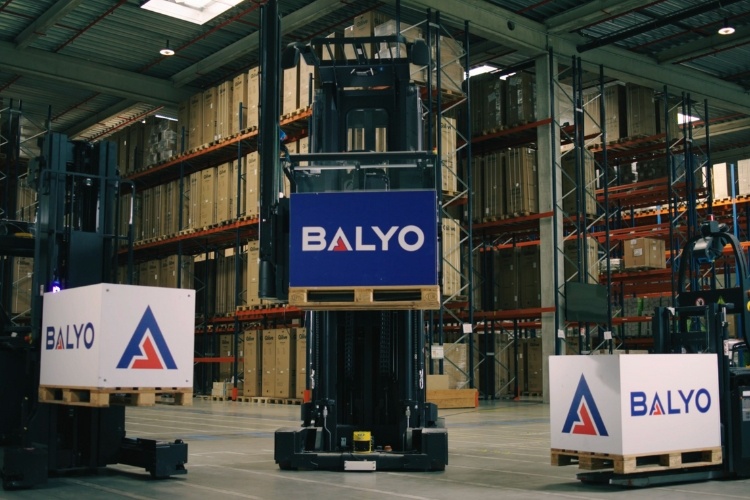
In a featured piece for Forbes, John Hayes, Director of Sales at BALYO, shared his valuable firsthand insights from the Automate Show in Detroit. While the landmark event showcased groundbreaking technologies—such as BALYO's high-reach autonomous VNA—Hayes used his platform to address a critical, yet frequently misunderstood aspect of B2B business development: the real metric of trade show success.
With nearly every major industry—ranging from agriculture and medical devices to food and beverage—urgently seeking automation solutions to keep operations running, the temptation to judge a trade show by raw lead volume is higher than ever. However, Hayes argues that this focus on quantity is a fundamental mistake.
Below, we break down the three strategic takeaways he shared on how to maximize trade show ROI and focus on what truly matters.
1. Ask the Right Question (Shift from Volume to Value)
Too often, senior management evaluates the success of an expensive exhibition by asking a single, flawed question: "How many leads did we generate?"
According to Hayes, this metric is largely irrelevant. A bloated list of names who stopped by just to see a robotic forklift pick up a pallet does not drive revenue. The far more powerful question to ask is: "How many quality leads, who are highly likely to make a purchase in the current fiscal year, did we actually connect with?"
By shifting the internal focus from arbitrary count to genuine buying intent, sales teams can stop chasing cold contacts and start focusing on high-value partnerships.
2. Prioritize Quality Over Quantity
The seduction of a massive pipeline is one of the least lean methods of selling and lead processing. In reality, a sales professional who identifies just five to ten legitimate, highly qualified purchasers at a major event like Automate is positioned to close millions of dollars in bookings within the current year.
True sales efficiency is not about having a database of thousands of lukewarm contacts. It is about rigorous discernment, exceptional time management, and devoting valuable energy to the few opportunities where purchase orders are imminent.
3. Focus on the Immediate Future (The 180-Day Rule)
The most valuable leads are those with direct relevance to your immediate future. Hayes advises that when evaluating trade show connections, businesses must laser-focus on prospects who have a pressing operational need that must be solved within the next 180 days.
If a prospect is looking to automate their warehouse three years down the line, they are a relationship to nurture over time. However, they should not distract your sales force from the active buyer facing an immediate labor crisis today.
The Ultimate Rationale for Trade Show Exhibiting
Ultimately, exhibiting at a major industry event is an expensive and resource-intensive endeavor. To justify the investment, companies must align their strategy with real, actionable problem-solving.
"The best rationale for trade show exhibiting is simple: generating quality leads that convert into customer acquisition by identifying the specific prospects where your solution is most urgently needed and can be feasibly implemented within their immediate timeframe."
By showing up to solve immediate, high-stakes operational pain points rather than merely collecting business cards, exhibitors can turn trade shows into highly efficient engines for rapid customer acquisition.
Ready to see how BALYO turns trade show connections into real-world automated warehouse solutions? Read the full Forbes article by John Hayes.