Beyond the Hype: Debunking the Myth of the Fully Automated, Human-Free Factory
For several years, automation has dominated boardrooms as a key strategic pillar. Companies across the globe are racing to integrate robotics, artificial intelligence, and smart systems to streamline their operations. However, as we look beyond the high-tech excitement and efficiency metrics, we must address the profound social impacts of this industrial shift.
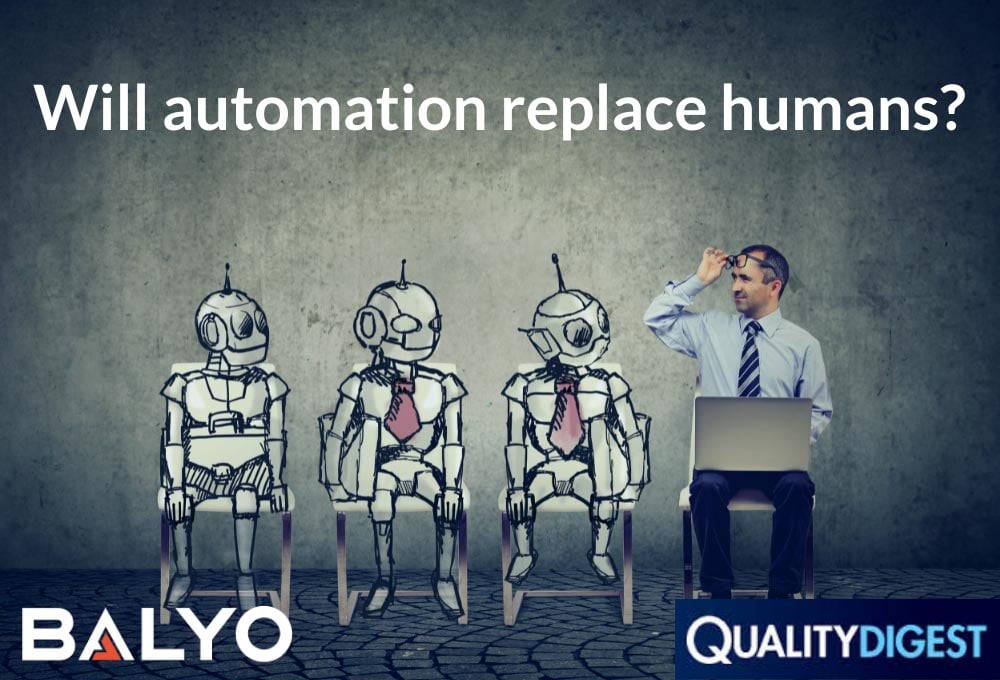
The transition to an automated warehouse or factory floor is not just a technological upgrade; it is a deeply human transition. Naturally, this has sparked a burning question that continues to echo through manufacturing communities and labor unions alike: Are we moving toward a future where robots completely replace human workers?
Fortunately, the reality is far more collaborative—and far more optimistic—than the sensational headlines suggest.
The Myth of the Dark Warehouse
The fear of the "lights-out" factory—a fully automated facility operating in total darkness without a single human soul on site—has been a staple of science fiction for decades. Yet, in practical industrial application, this remains an extreme exception rather than the rule.
A featured piece in Quality Digest thoroughly deconstructs this myth, illustrating that the goal of modern robotics is not human erasure, but human empowerment.
While autonomous systems excel at executing highly repetitive, physically punishing, and hazardous tasks, they lack the cognitive flexibility required for complex decision-making. When an unexpected variable enters the production line, or when a unique operational anomaly occurs, it is the human worker's adaptability, creativity, and problem-solving intuition that keeps the supply chain from grinding to a halt.
"Robots are built to handle the predictable; humans are designed to master the unpredictable."
The Social Impact: Shifting from Muscle to Mind
Instead of eliminating jobs, automation is actively shifting the baseline of industrial labor. This transformation has a profound social impact, altering how we view the dignity of warehouse and factory work:
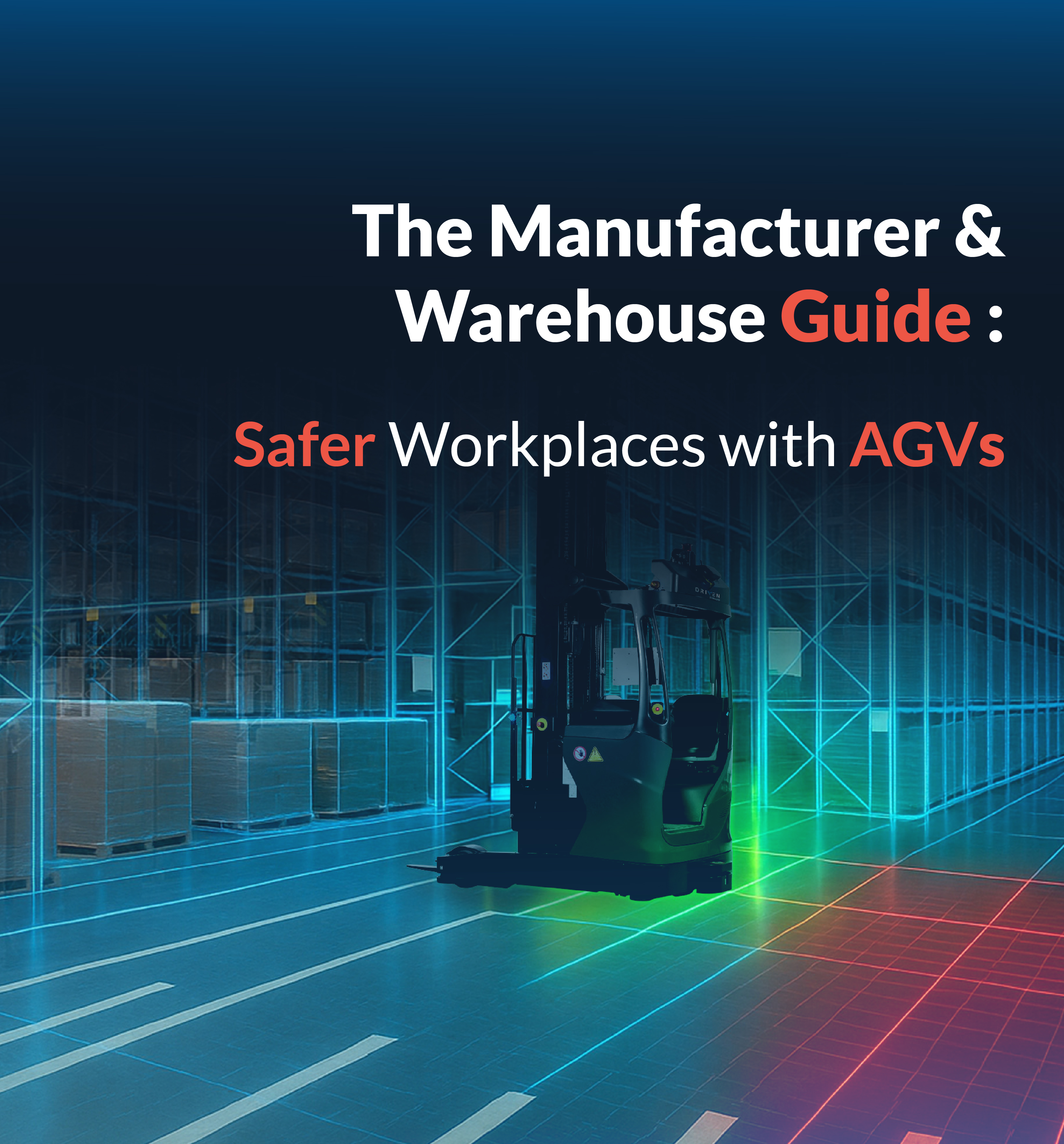
- Eliminating Workplace Hazards: By delegating heavy lifting, high-reach maneuvers, and repetitive motions to autonomous guided vehicles (AGVs), companies drastically reduce workplace injuries, fatigue, and long-term physical strain.
- Driving Professional Growth: As robots take over low-value, manual transport tasks, workers are upskilled to manage these very fleets. Operating software, analyzing performance data, and maintaining robotic systems elevate the worker’s role from manual labor to high-value technical execution.
- Creating New Career Paths: The rise of industrial robotics has catalyzed entirely new employment sectors, demanding skilled technicians, system integrators, and digital workflow planners.
A Partnership, Not a Replacement
Ultimately, the future of the factory floor belongs to cobotics—the seamless collaboration between human ingenuity and machine precision. By allowing robots to "share the load," businesses don't just increase their throughput; they build a safer, more engaging, and intellectually stimulating environment for their workforce.
By separating the hype from the reality of automation, we can stop viewing robotics as a threat to labor and start embracing it as a catalyst for human potential.
Read the full article on Quality Digest to explore how the industry is debunking this persistent myth.